Woks cling a exceptional position inside the kitchen, surprisingly for folks who love the sizzle and pace of stir-frying. Yet, while it comes time to shop one, a classic debate arises: forged iron wok or carbon metal wok? Both have a legion of dedicated fans, and either can flip out smoky, eating place-pleasant nutrition inside the appropriate fingers. But beyond the advertising and nostalgia, which clearly fits your cooking model, your range, and your expectancies?
Let’s step into the heat and appear intently at how these two iconic constituents stack up, drawing from fingers-on use, kitchen mishaps, and demanding-won tuition over many nutrition.
The Heart of the Wok: What Sets Cast Iron and Carbon Steel Apart
Cast iron and carbon metal share a few DNA. Both are iron-structured alloys, each require seasoning, and equally advance a common nonstick surface through the years. Yet their differences run deep, shaping how they cook dinner, how they experience, and what maintenance they demand.
Cast iron woks, principally those made in China, are typically thinner and lighter than their Western skillet cousins. Still, as compared to carbon metal, they stay heavier and slower to reply to differences in warm. Some American-made cast iron woks, like those from Lodge, are thick and pretty much indestructible, yet can weigh upwards of 10 pounds.
Carbon metal, with the aid of distinction, is lighter and more versatile. A conventional 14-inch carbon metallic wok hardly exceeds three pounds. It heats up in a flash and cools speedily while taken off the burner. The metallic is softer and can warp if overheated, notwithstanding in day-to-day use it really is rarely a predicament.
The genuine-global have an effect on of those alterations emerges when you get started tossing veggies, searing meat, or flipping fried rice at the hours of darkness after a protracted day.
Cooking Performance within the Real Kitchen
Heat Distribution and Responsiveness
A wok’s magic lies in its talent to provide intense warmness wherein you desire it and fast cooling whilst you don’t. Professional kitchens use jet-engine wok https://zanefyad340.image-perth.org/a-beginner-s-guide-cast-iron-wok-vs-carbon-steel-wok-1 burners that positioned out a hundred,000 BTUs or greater - house chefs not often have that luxurious.

Here’s the place the textile matters. Carbon metal excels on so much domestic stoves as it heats up fast and responds temporarily when you boost or reduce the flame. When making a vintage stir-fry, these split-moment differences support you stay clear of burning garlic or overcooking bok choy. If you wish to reap wok hei - that elusive smoky flavor - the pan have got to sear nutrition instantly. Carbon metallic’s thinness helps maximize whatever thing warmness your private home burner can muster.
Cast iron, being thicker and denser, takes longer to warmth up yet holds onto temperature stubbornly. This should be would becould very well be an asset should you need to avoid delicacies hot for serving or for those who’re simmering a braise after an preliminary sear. However, for instant-transferring stir-fries, it may think sluggish. You would possibly in finding your self waiting impatiently for the wok to preheat or suffering to cool issues down if whatever thing starts off to scorch.
I’ve came across that with observe, it is easy to catch up on cast iron’s slower response by using planning ahead - preheating longer, adjusting your procedure, maybe even accepting just a little much less wok hei in replace for reliability. But while you crave split-moment handle, carbon metallic wins fingers down.
Nonstick Properties and Seasoning
Both forged iron and carbon metal require seasoning. This layer of polymerized oil gives each rust coverage and a evidently nonstick floor.
With established use and excellent care, both wok can expand a wonderful patina. Carbon metallic seasons briskly - after only some chefs you’ll see darkening and elevated release. Cast iron can take longer to accumulate a deep patina yet has a reputation for premiere nonstick performance as soon as fully pro.
Anecdotally, I actually have chanced on carbon metallic extra forgiving inside the early days. Even after one or two seasoning classes, fried eggs or tofu hardly stick stubbornly. Cast iron sometimes clings to start with until closely oiled. Over months of use, both ingredients turned into almost slick as Teflon - yet in basic terms for those who keep up with cleansing and oiling.
Weight and Handling
If you intend to toss parts with one hand at the same time as wielding a spatula within the other (the way many Chinese chefs do), weight topics. Carbon metal woks are nimble - even a 14-inch wok is surely lifted and shaken with a single arm. Cast iron woks can sense like lifting a bowling ball, distinctly when loaded with food.
For those with wrist problems or restrained top physique force, carbon metallic is ordinarilly the friendlier determination. If you magnitude stability and don’t thoughts transferring the pan much less commonly, cast iron’s heft will be a boon.
Practical Maintenance: Keeping Your Wok Happy
Let’s be sincere: neither material is as fuss-loose as stainless-steel or nonstick-coated pans. Both demand recognize in cleaning and storage.
Cleaning Rituals
After every use, carbon steel woks are simplest wiped clean with sizzling water and a tender scrubber. Soap can strip seasoning if used too aggressively. Dry fully over heat to evade rusting, then wipe with a skinny sheen of oil.
Cast iron follows identical guidelines but is much less vulnerable to warping below thermal shock (like rinsing a warm pan in cold water). However, its rougher surface can seize nutrients bits more stubbornly, requiring a bit extra elbow grease. Some chefs even continue a dedicated brush just for their solid iron wok.
If rust appears on either textile - and it'll eventually if unnoticed - it'll in general be scrubbed off and reseasoned with no lasting hurt.
Storage Concerns
Carbon metal woks are thin adequate to grasp from a hook or nest internal other pans. Cast iron woks demand sturdier garage solutions via their weight and bulk. I’ve cracked a kitchen shelf by stacking a heavy cast iron wok atop glassware - no longer really useful.
Both could be saved dry and frivolously oiled. Covering with a paper towel can guide take in stray moisture.
Versatility Beyond Stir-Fry
Woks are well-known for flash-frying vegetables and meat, but equally fabrics tackle an awful lot greater. I’ve used my woks for deep-frying chicken wings (the sloped facets make splatter less of a danger), steaming dumplings above simmering water, and even baking flatbreads in an instant contained in the bowl-shaped pan in a pinch.
Cast iron shines the place gradual heat retention is an asset: braises, stews, even shallow frying wherein temperature balance topics most.
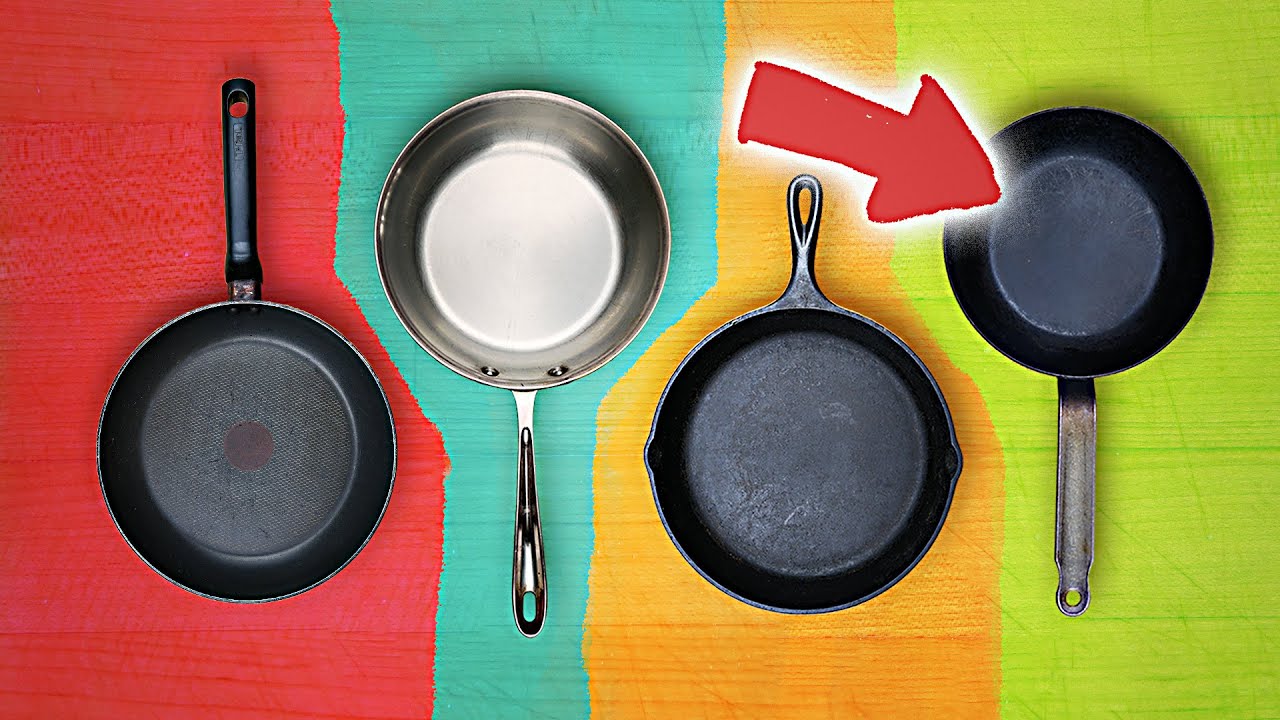
Carbon metallic excels whilst brief transitions are key: sizzling-and-rapid sears, dry-to-moist cooking (like adding broth after frying aromatics), or should you desire crispy textures without overcooking the inside.
The Stove Factor: Gas vs Induction vs Electric
Your possibility of wok may well hinge on what sort of stove you've gotten at domicile.
Gas stoves supply both fabrics a truthful shot however play enormously smartly with carbon metallic’s instant heating competencies. Flat-bottomed woks (which paintings more suitable on Western stoves) are broadly conceivable in either resources.

Electric stoves fight to ship prime heat with the aid of a round-bottomed wok unless you employ a heavy solid iron style that keeps heat extra frivolously across the bottom. Induction cooktops call for perfectly flat bottoms; a few carbon metallic woks warp ever so quite over time and lose contact with the cooktop. Cast iron’s stress prevents this obstacle.
That pronounced, in case you crave the usual circular-backside expertise and own simplest an electric or induction stove, there are workarounds: wok jewelry for fuel stoves or really expert induction woks with magnetic coils constructed into the pan itself. For such a lot homestead chefs on Western appliances, a flat-bottomed carbon metal wok promises the quality combo of tradition and practicality.
Buying and Breaking In: What to Expect
Price Points
A very good carbon metal wok is unusually inexpensive - maximum fall between $30 and $60 USD for a reputable brand like Joyce Chen or Craft Wok. Cast iron woks can latitude from $forty for skinny Chinese versions as much as $one hundred twenty or extra for thick American-made types.
Don’t be seduced by using nonstick-lined woks promising “solid iron” blessings however requiring not one of the preservation. Those coatings rarely continue to exist the top warmth proper wok cooking calls for.
The First Seasoning
Both kinds arrive lined in factory oil or defensive lacquer that would have to be scrubbed off sooner than first use. For carbon steel, this suggests a full of life wash observed by means of heating unless faintly smoking and using layers of oil oftentimes except the surface darkens. Some chefs use pork fat and even onion skins during this approach for richer color and aroma.
Cast iron oftentimes comes pre-seasoned from American makers yet benefits from an extra circular of seasoning at abode. For Chinese cast iron woks (assuredly raw), persist with the similar technique as carbon metallic however assume it to take longer for deep blackness to expand.
Expect a few smoke in the time of initial seasoning - open home windows are most important until you favor your smoke alarm serenading you.
When One Material Outshines the Other
No pan is best suited for every state of affairs. Over years of cooking for relations dinners and past due-nighttime experiments alike, I’ve came upon that both wok class has moments in which it shines:
- Cast iron: Best when heat retention things more than velocity. Braises with chunks of short rib or bird get advantages from regular warmth. If you're keen on leaving food in the pan on the desk for communal sharing - sizzling pot trend - solid iron assists in keeping issues piping sizzling. Carbon steel: My pass-to for lightning-immediate stir-fry ingredients. When I educate neighbors tips to make charred green beans or kung pao hen at dwelling house, I hand them my trusty carbon metal wok on every occasion.
The Human Element: Stories from the Stove
I’ll not at all neglect my first try out at pad thai in a brand new condominium applying an historic forged iron wok my uncle handed down. I waited patiently for the pan to warmth up, solely to fully grasp midway through cooking that my electrical burner couldn’t store up with the pan’s thermal mass. The noodles caught quite however evolved a comforting chewiness I’d in no way completed ahead of - an unforeseen gift from the pan’s gradual-and-constant way.
Years later, operating in a cramped kitchen with most effective a portable gas burner and a beat-up carbon steel wok received at a Chinatown market for $20 salary, I found out excellent wok hei for the first time. The pan’s responsiveness enable me char scallions and toss every little thing with abandon with no fear of sticking or hot.
Both pans still have satisfaction of place in my kitchen lately. Whether I achieve for forged iron or carbon steel depends on the dish - and my mood.
The Numbers Game: Quick Reference Table
For people that would like the information at a look:
| Feature | Cast Iron Wok | Carbon Steel Wok | |------------------------|-------------------------|-------------------------| | Weight | 5-10 lbs (2-four.5 kg) | 2-three lbs (zero.9-1.four kg) | | Heat Up Speed | Slow | Fast | | Responsiveness | Low | High | | Heat Retention | Excellent | Moderate | | Seasoning Difficulty | Moderate | Easy | | Nonstick (Once Seasoned)| Superb | Very Good | | Price Range | $40-one hundred twenty | $30-60 | | Rust Resistance | Moderate | Moderate | | Stovetop Compatibility | All (flat bottom gold standard) | All (look at various flatness) | | Ideal Use | Braising, desk service | Stir-fry, brief sear |
Quick Decision Checklist
If you’re nevertheless torn at the shop shelf or shopping online stories past due at night time, right here’s a streamlined listing for identifying among cast iron and carbon metallic woks:
Do you magnitude speed and management principally?Go for carbon metallic. Do you most of the time serve kin-trend nutrition instantly from the pan?
Cast iron’s heat retention shines. Is wrist relief or pan weight an drawback?
Carbon metallic is a lot lighter. Do you like experimenting with gradual-braised dishes?
Cast iron is your family member. Are you new to wok cooking and wish quick outcome?
Carbon steel’s hassle-free seasoning will enhance your self belief.
Final Thoughts: The Joy Is within the Cooking
Choosing among solid iron and carbon steel woks isn’t approximately maintaining one universally enhanced than the alternative. It’s approximately matching device to challenge and embracing every pan’s quirks. Over time, professional cooks most commonly emerge as owning each - accomplishing for whichever fits tonight’s yearning or the next day to come’s task.
My very own kitchen tells this story: battered carbon steel for weeknight stir-fries while pace counts; burly cast iron for lazy weekend braises and giant kin feasts across the desk. Both have scars that inform their own memories - the ghostly define of burnt garlic here, the modern blackness of smartly-cherished steel there.
Pick the pan that suits your rhythm now yet don’t be amazed if you make room for each as your culinary adventures develop bolder. At the quit of the day, it’s no longer very nearly “cast iron wok vs carbon steel” - it’s about locating joy in each and every sizzle and savoring what emerges from your personal fingers.